Diving into the realm of emergency repair, we explore the crucial role it plays in various situations. From unexpected plumbing issues to urgent structural concerns, the need for immediate repairs can arise at any moment. This overview will shed light on the significance of emergency repair and provide valuable insights for handling such critical situations effectively.
As we delve deeper, we will uncover different types of emergency repairs, essential preparations to consider, and cost-effective strategies to manage unexpected expenses.
Introduction to Emergency Repair
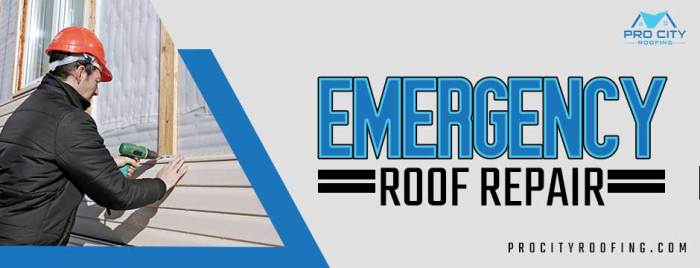
Emergency repair refers to the immediate action taken to fix a critical issue or problem that poses a threat to safety, health, or the environment. It plays a crucial role in various contexts, such as home maintenance, automotive repair, industrial operations, and infrastructure management.In different scenarios, emergency repairs are required to prevent further damage, avoid accidents, or restore functionality.
These situations can range from burst pipes in a residential building to a broken-down vehicle on a busy highway or a malfunctioning machine in a manufacturing plant.
Common Scenarios Requiring Emergency Repairs
- Household emergencies like electrical failures, plumbing issues, or gas leaks
- Automotive emergencies such as flat tires, engine breakdowns, or brake failures
- Industrial emergencies like equipment malfunctions, leaks, or power outages
- Infrastructure emergencies including road damage, bridge collapses, or utility failures
Types of Emergency Repairs
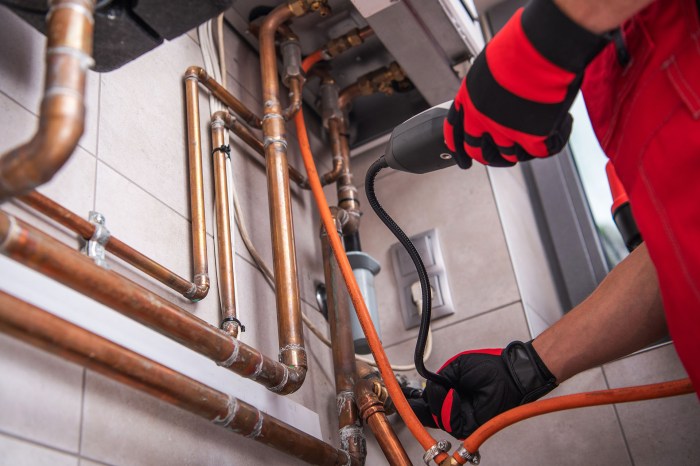
Emergency repairs can encompass a variety of situations that require immediate attention to prevent further damage or ensure safety. Each type of emergency repair comes with its own level of urgency and criticality.
Plumbing Emergency Repairs
Plumbing emergencies, such as burst pipes or severe leaks, require immediate attention to prevent water damage and mold growth. Failure to address plumbing issues promptly can lead to costly repairs and potential health hazards.
Electrical Emergency Repairs
Electrical emergencies, such as power outages, sparking outlets, or exposed wiring, pose a significant safety risk and should be dealt with urgently. Ignoring electrical issues can result in fires, electrocution, or damage to appliances and electronics.
Structural Emergency Repairs
Structural emergencies involve issues like roof leaks, foundation cracks, or collapsed walls, which can compromise the integrity of a building. These repairs are critical to prevent structural failure and ensure the safety of occupants.
Examples of Emergency Repairs
- Plumbing: Fixing a burst pipe to prevent water damage.
- Electrical: Repairing a faulty circuit to prevent fire hazards.
- Structural: Patching a leaky roof to prevent further damage.
Preparing for Emergency Repairs
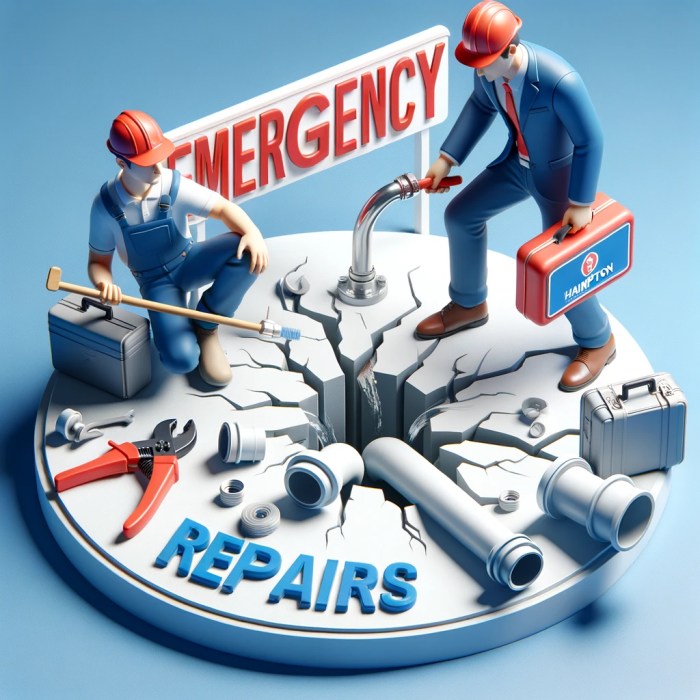
When it comes to handling emergencies, preparation is key. Having a plan in place for potential emergencies can make a significant difference in minimizing damage and ensuring safety.
Essential Tools and Materials
It is essential to have the right tools and materials on hand for emergency repairs. Some of the basic items to include in your emergency repair kit are:
- Duct tape: versatile and handy for quick fixes
- Flashlight and extra batteries: essential for working in the dark
- Multi-tool: for a variety of repair tasks
- First aid kit: for any injuries that may occur during repairs
- Fire extinguisher: important for dealing with fire hazards
Creating an Emergency Repair Kit
Putting together an emergency repair kit for your home or workplace can help you be better prepared when unexpected situations arise. Here are some tips for creating an effective emergency repair kit:
- Assess your needs: Consider the specific risks and potential emergencies that could occur in your area.
- Organize supplies: Keep your tools and materials in a designated container or bag that is easy to access in an emergency.
- Regularly check and restock: Make sure to review your emergency repair kit periodically and replace any expired items.
- Include important documents: Keep a copy of essential documents such as insurance policies, contact information, and emergency procedures in your kit.
Conducting Emergency Repairs
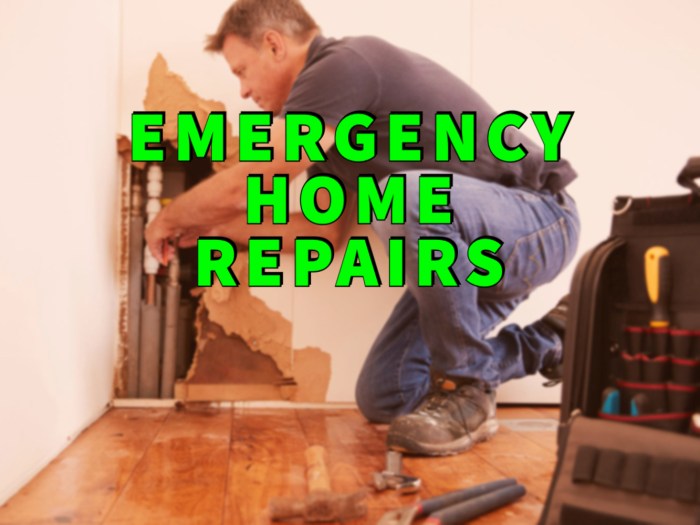
In emergency repair situations, it is crucial to act quickly and efficiently to prevent further damage. Safety should always be a top priority when conducting any repair work, whether you are tackling it on your own or seeking professional help
Handling Common Emergency Repair Situations
- Assess the situation: Before starting any repair work, take the time to assess the extent of the damage and identify the root cause of the issue.
- Gather necessary tools and materials: Make sure you have all the tools and materials needed to complete the repair safely and effectively.
- Follow proper procedures: Refer to the manufacturer's instructions or online resources for step-by-step guides on how to address the specific repair issue.
- Test the repair: Once the repair is completed, test the system or equipment to ensure that it is functioning properly.
Safety Measures During Emergency Repair Work
- Wear appropriate safety gear: Always wear protective gear such as gloves, goggles, and masks to prevent injuries while working on repairs.
- Turn off power sources: Before starting any repair work involving electrical systems, make sure to turn off the power source to avoid electric shocks.
- Work in well-ventilated areas: When dealing with repairs that involve chemicals or fumes, ensure proper ventilation to prevent respiratory issues.
- Have a first aid kit handy: Accidents can happen during repair work, so it's important to have a first aid kit nearby for immediate treatment of minor injuries.
DIY vs. Professional Help for Emergency Repairs
- DIY: Simple repairs like fixing a leaky faucet or replacing a light bulb can often be done on your own with the right tools and resources.
- Professional Help: For complex repairs involving structural damage, electrical systems, or plumbing issues, it is advisable to seek help from trained professionals to ensure safety and proper repair.
Cost Considerations in Emergency Repairs

When it comes to emergency repairs, costs can quickly add up, especially if not properly managed. Understanding the factors that influence the cost of emergency repairs, budgeting for unexpected expenses, and finding ways to minimize costs are crucial aspects to consider in ensuring effective and efficient repair work.
Factors Influencing Repair Costs
- Extent of Damage: The severity of the damage will directly impact the cost of repairs. More extensive damage will require more materials and labor, increasing overall costs.
- Urgency of Repairs: The urgency of the situation can also affect costs. Emergency repairs often require immediate attention, which may result in higher labor costs or the need to work overtime.
- Availability of Materials: The availability of materials at the time of the repair can impact costs. If specific materials need to be sourced quickly, it may come at a higher price.
- Contractor Rates: The rates charged by contractors can vary significantly and will influence the overall cost of emergency repairs. It's essential to consider these rates when budgeting for repairs.
Budgeting for Unexpected Expenses
- Emergency Fund: Setting aside a portion of your budget for unexpected repairs can help cover costs when emergencies arise. Having an emergency fund specifically for repairs can provide peace of mind and financial security.
- Regular Maintenance: Conducting regular maintenance can help prevent major issues from occurring, reducing the likelihood of costly emergency repairs. Investing in maintenance can save you money in the long run.
- Insurance Coverage: Reviewing your insurance policy to understand what emergency repairs are covered can help offset some of the costs. It's important to know what your policy includes to avoid unexpected expenses.
Minimizing Costs for Effective Repairs
- Compare Quotes: Getting multiple quotes from different contractors can help you find the best price for the repair work. Comparing quotes can save you money and ensure you're getting quality service.
- DIY Repairs: For minor repairs, consider tackling the job yourself to save on labor costs. However, be cautious and ensure you have the necessary skills and knowledge to complete the repair safely and effectively.
- Reuse Materials: Whenever possible, try to reuse materials from the existing structure to reduce costs. Salvaging materials can help lower expenses and minimize waste.
Ending Remarks
In conclusion, having a well-thought-out plan for emergency repairs can make all the difference in times of crisis. By understanding the types of repairs, preparing adequately, and considering cost-effective measures, individuals can navigate emergency situations with confidence and efficiency.
Q&A
What should I include in an emergency repair kit?
Essential items to include are a flashlight, batteries, first aid supplies, a multipurpose tool, duct tape, and emergency contact information.
When should I seek professional help for emergency repairs?
If the repair involves complex electrical work, major plumbing issues, or structural damage, it's best to contact a professional to ensure safety and proper resolution.
How can I minimize costs during emergency repairs?
By performing regular maintenance, addressing minor issues promptly, and having a contingency fund, you can reduce the financial impact of unexpected repairs.