Heating and cooling play a crucial role in maintaining comfortable environments in both residential and commercial buildings. Understanding the principles behind how these systems operate is key to ensuring optimal performance and cost-effectiveness. Let's delve into the intricacies of heating and cooling systems to uncover how they impact our daily lives.
As we explore the various types of heating and cooling systems, energy efficiency, and maintenance tips, readers will gain valuable insights into maximizing the functionality of these essential components of modern living.
Introduction to Heating and Cooling Systems
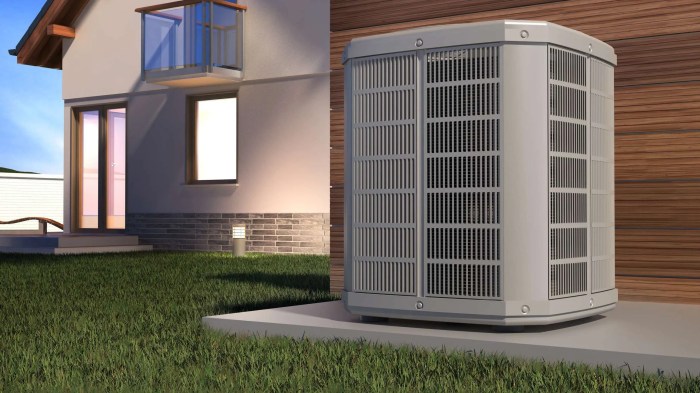
Heating and cooling systems play a crucial role in maintaining a comfortable environment in both residential and commercial buildings. These systems are essential for regulating temperatures, ensuring air quality, and promoting overall well-being.
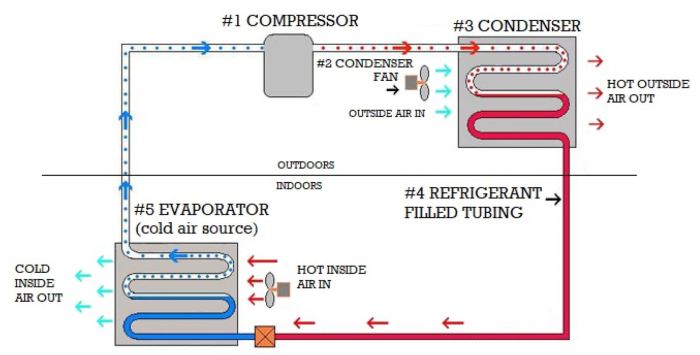
Understanding the basic principles of how heating and cooling systems work is important for efficient operation and maintenance. These systems rely on the transfer of heat to achieve desired temperatures, either by adding heat for warming or removing heat for cooling.
Key Components of Heating and Cooling Systems
- Thermostat: A device that controls the temperature of the system by signaling when to heat or cool the air.
- Furnace: Responsible for heating the air using a fuel source such as gas or electricity.
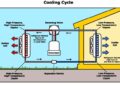
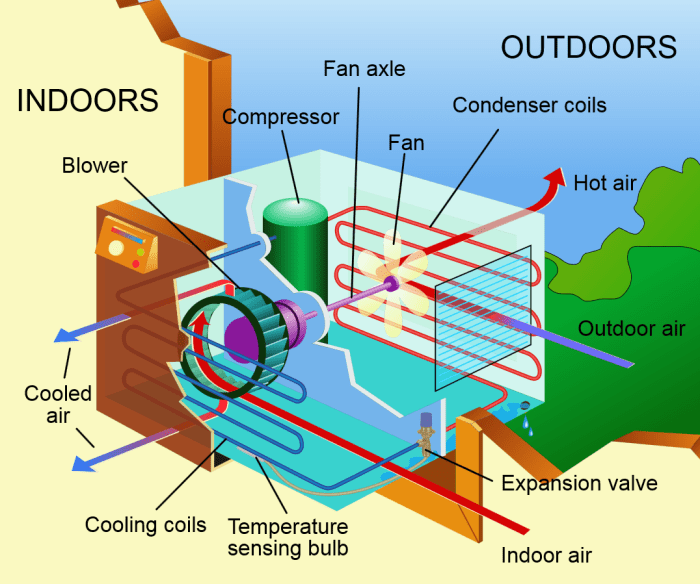
- Air Conditioner: Cools the air by removing heat and humidity from the indoor environment.
- Air Ducts: Channels that distribute heated or cooled air throughout the building.
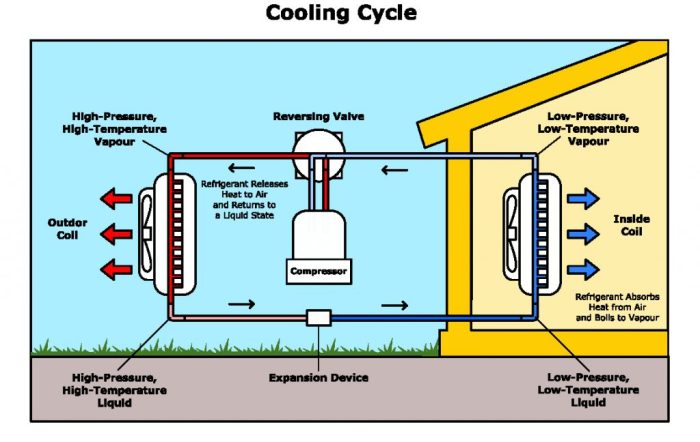
- Heat Pump: Can provide both heating and cooling by transferring heat between the indoors and outdoors.
Types of Heating Systems
When it comes to heating systems, there are several types to choose from, each with its own set of advantages and disadvantages. Let's compare and contrast different types of heating systems to help you make an informed decision based on your needs.
Furnaces
Furnaces are one of the most common heating systems used in residential properties. They work by heating air and distributing it throughout the house via ductwork. Furnaces can run on various fuels such as natural gas, propane, or electricity. They are known for their efficiency and quick heating capabilities.
Boilers
Boilers, on the other hand, use hot water or steam to heat your home. The heat is then distributed through radiators or underfloor heating systems. While boilers may be more expensive to install initially, they are known for their energy efficiency and even heat distribution.
Heat Pumps
Heat pumps are becoming increasingly popular due to their energy efficiency. They work by transferring heat from the outside air or ground into your home during the colder months and vice versa during the summer for cooling. While heat pumps may have a higher upfront cost, they can provide significant savings on energy bills in the long run.
Efficiency and Cost-effectiveness
- Furnaces are generally cost-effective and efficient, especially when using natural gas as a fuel source.
- Boilers are highly efficient but may have higher installation costs compared to furnaces.
- Heat pumps are extremely energy-efficient, making them a great long-term investment, although they may have higher upfront costs.
Popular Heating System Brands
| Heating System Type | Popular Brands |
|---|---|
| Furnaces | Lennox, Trane, Carrier |
| Boilers | Weil-McLain, Burnham, Lochinvar |
| Heat Pumps | Daikin, Mitsubishi Electric, Rheem |
Types of Cooling Systems
When it comes to cooling systems in buildings, there are several types commonly used to maintain a comfortable indoor environment. Each type has its own set of benefits and drawbacks, as well as varying energy efficiency ratings that can impact utility bills.
Central Air Conditioning
Central air conditioning systems are popular for cooling large spaces efficiently. They work by distributing cool air through ducts to different rooms in a building. One of the main benefits of central air conditioning is the consistent temperature control it provides throughout the entire building.
However, the installation and maintenance costs can be high, and the system may not be as energy efficient as other options.
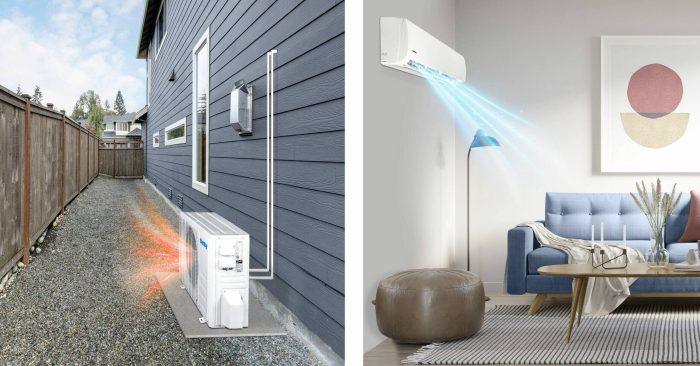
Ductless Mini-Split Systems
Ductless mini-split systems are a more flexible cooling option, as they do not require ductwork to distribute cool air. This makes them ideal for smaller spaces or buildings without existing duct systems. The installation of ductless mini-split systems is generally easier and less invasive compared to central air conditioning.
They also offer the benefit of zone cooling, allowing for independent temperature control in different areas of a building. However, the initial cost of purchasing and installing these systems may be higher than traditional central air conditioning units
Energy Efficiency Ratings
When choosing a cooling system, it is important to consider the energy efficiency ratings, such as SEER (Seasonal Energy Efficiency Ratio) for air conditioners. Higher SEER ratings indicate greater energy efficiency, which can lead to lower utility bills over time.
Investing in a more energy-efficient cooling system may require a higher upfront cost but can result in long-term savings on energy expenses.
Energy Efficiency and Sustainability in Heating and Cooling
Energy efficiency and sustainability are crucial aspects to consider when it comes to heating and cooling systems. By optimizing energy usage and implementing sustainable practices, we can reduce environmental impact and promote a greener future.
Role of Smart Thermostats and Programmable Settings
Smart thermostats play a significant role in enhancing energy efficiency in heating and cooling systems. These devices allow users to program settings based on their schedule and preferences, ensuring that energy is not wasted when heating or cooling is unnecessary.
By automatically adjusting temperatures and optimizing usage, smart thermostats can help reduce energy consumption and lower utility bills.
Sustainable Practices in Heating and Cooling
- Regular Maintenance: Keeping heating and cooling systems well-maintained can improve efficiency and extend their lifespan. This includes cleaning filters, checking for leaks, and ensuring proper airflow.
- Energy-Efficient Equipment: Investing in energy-efficient heating and cooling equipment, such as high-efficiency furnaces or air conditioners, can significantly reduce energy consumption and greenhouse gas emissions.
- Proper Insulation: Proper insulation in homes and buildings can help retain heat in the winter and keep cool air in during the summer, reducing the workload on heating and cooling systems.
- Renewable Energy Sources: Utilizing renewable energy sources, such as solar panels or geothermal heat pumps, can further reduce reliance on traditional heating and cooling systems powered by fossil fuels.
Maintenance and Troubleshooting Tips
Regular maintenance is essential for keeping heating and cooling systems running efficiently. By performing routine tasks and addressing common issues promptly, you can extend the lifespan of your equipment and avoid costly repairs.
Regular Maintenance Tasks
- Change air filters every 1-3 months to ensure proper airflow and system efficiency.
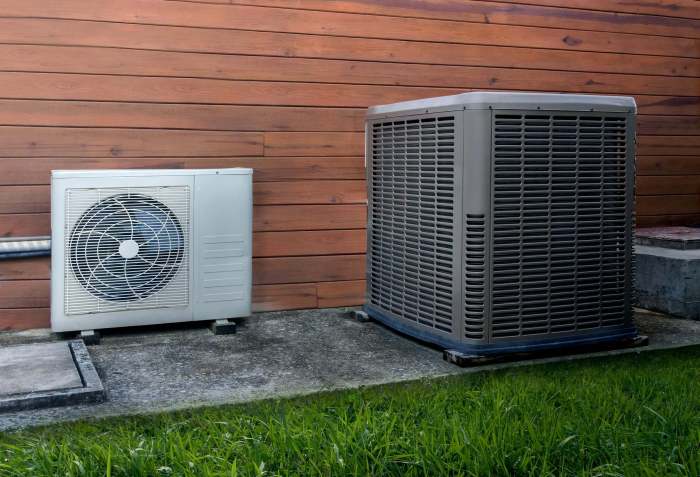
- Clean debris and dust from vents, ducts, and outdoor units to prevent blockages and improve air quality.
- Inspect and clean evaporator and condenser coils to maintain optimal heat transfer.
- Check refrigerant levels and look for any leaks to prevent system malfunctions.
- Test thermostat settings and calibrate if necessary to maintain accurate temperature control.
Common Issues and Troubleshooting
- If your heating system is blowing cold air, check the thermostat settings and replace the air filter if dirty.
- If your cooling system is not cooling effectively, clean the condenser coils and check for refrigerant leaks.
- Noises like squealing or rattling could indicate a worn-out belt or loose components that need adjustment or replacement.
- If you notice uneven heating or cooling in different areas of your home, check for blocked vents or ductwork leaks.
- If your system is constantly cycling on and off, it could be a sign of a faulty thermostat or improper system sizing.
Tips for Extending Equipment Lifespan
- Schedule annual professional maintenance to identify and address potential issues before they escalate.
- Avoid overworking your system by setting programmable thermostats and maintaining consistent indoor temperatures.
- Keep outdoor units clear of debris, vegetation, and other obstructions to ensure proper airflow.
- Invest in energy-efficient equipment and consider upgrading to newer models for improved performance and longevity.
- Monitor your system's performance regularly and address any changes or unusual symptoms promptly to prevent further damage.
Ultimate Conclusion
From the importance of energy efficiency to practical maintenance strategies, this discussion on heating and cooling systems has shed light on the critical aspects of managing indoor climate control effectively. By implementing sustainable practices and staying informed about the latest technologies, individuals can create comfortable and environmentally friendly living and working spaces.
FAQ Section
How often should I change the air filters in my heating and cooling system?
It is recommended to change air filters every 1-3 months to maintain optimal air quality and system efficiency.
What are some signs that indicate my heating system needs professional maintenance?
Unusual noises, uneven heating, or a sudden increase in energy bills can all signal the need for professional maintenance of your heating system.
How can I improve the energy efficiency of my cooling system?
Regular maintenance, proper insulation, and setting the thermostat to an efficient temperature can all help improve the energy efficiency of your cooling system.