Embark on a journey through the world of HVAC maintenance, where the importance of regular upkeep is highlighted to ensure optimal efficiency and longevity of your system. Discover how neglecting maintenance can result in costly repairs and explore the impact on indoor air quality and overall comfort.
Importance of HVAC Maintenance
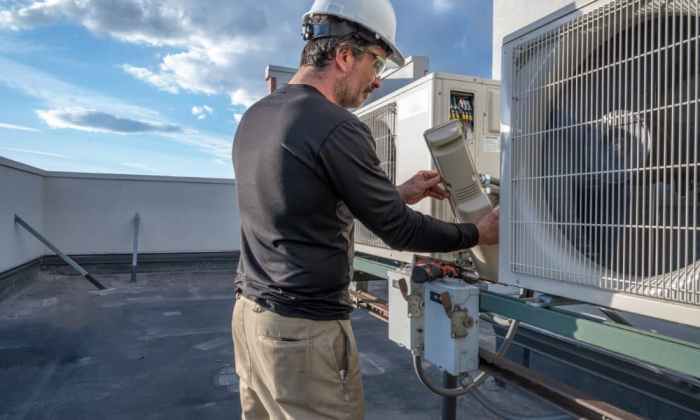
Regular HVAC maintenance is crucial for the efficient operation and longevity of your heating, ventilation, and air conditioning system. Neglecting maintenance can not only lead to costly repairs but also reduce the lifespan of your HVAC unit.
Impact on Efficiency
Proper maintenance, such as changing air filters regularly, ensures that your HVAC system runs efficiently. A dirty filter can restrict airflow, causing the system to work harder and consume more energy. This results in higher utility bills and puts unnecessary strain on the system, leading to potential breakdowns.
Costly Repairs
Failure to maintain your HVAC system can result in major issues that require expensive repairs. For example, neglecting to clean the coils can lead to a buildup of dirt and debris, causing the system to freeze up or malfunction. Additionally, ignoring small issues like strange noises or leaks can escalate into larger, more costly problems over time.
Indoor Air Quality and Comfort
Regular maintenance not only improves the efficiency of your HVAC system but also contributes to better indoor air quality and overall comfort. Clean filters and coils help remove dust, allergens, and pollutants from the air, creating a healthier environment for you and your family.
Additionally, a well-maintained system can provide consistent temperature control, ensuring optimal comfort throughout your home or office.
HVAC Maintenance Checklist
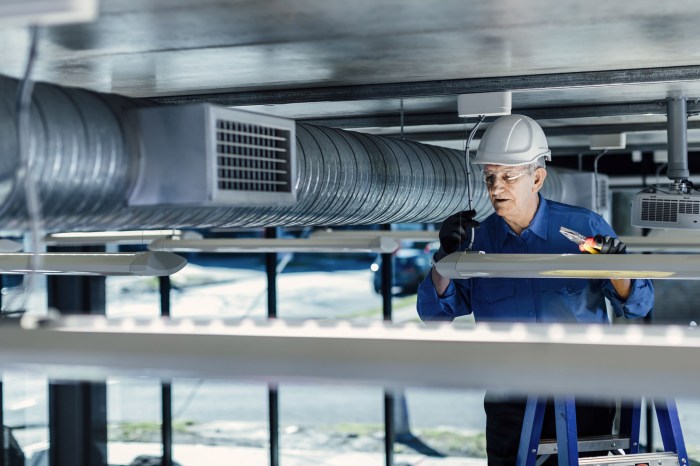
Proper HVAC maintenance is essential for ensuring efficient operation and extending the lifespan of your system. By following a comprehensive maintenance checklist, you can prevent costly repairs and keep your HVAC system running smoothly. Below is a detailed checklist of tasks involved in HVAC maintenance, along with the recommended frequency for each task and the importance of carrying them out.
Filter Replacement
Regularly replace the air filters in your HVAC system to maintain optimal indoor air quality and airflow. Dirty filters can restrict airflow, causing the system to work harder and increasing energy consumption. Replace filters every 1-3 months, depending on the type of filter and the level of usage.
Inspect and Clean Coils
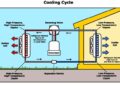
Check and clean the evaporator and condenser coils to ensure efficient heat transfer. Dirty coils can reduce the system's cooling capacity and increase energy consumption. Perform coil cleaning annually to maintain peak performance.
Check Refrigerant Levels
Monitor the refrigerant levels in your system to prevent leaks and ensure proper cooling. Low refrigerant levels can lead to reduced cooling efficiency and potential compressor damage. Check refrigerant levels annually and top up if necessary.
Inspect Ductwork
Regularly inspect the ductwork for leaks, gaps, or blockages that can reduce airflow and efficiency. Properly sealed and insulated ductwork improves the system's performance and reduces energy waste. Inspect ductwork every 2-3 years or as needed.
Inspect and Clean Blower Motor
Inspect and clean the blower motor and fan blades to ensure proper airflow and ventilation. A dirty or malfunctioning blower motor can lead to poor air circulation and reduced comfort. Clean the blower motor annually for optimal performance.
Check Thermostat Settings
Verify that the thermostat is calibrated correctly and set to the desired temperatures for heating and cooling. Incorrect thermostat settings can lead to temperature fluctuations and increased energy consumption. Check thermostat settings annually or as needed.
Professional Maintenance Service
Schedule annual maintenance service with a licensed HVAC technician to thoroughly inspect and tune up your system. Professional maintenance can identify potential issues early, improve system efficiency, and prolong the lifespan of your HVAC system.Remember, regular HVAC maintenance is key to keeping your system operating efficiently and effectively.
By following this checklist and performing maintenance tasks at the recommended intervals, you can enjoy a comfortable indoor environment and avoid unexpected breakdowns or costly repairs.
DIY HVAC Maintenance Tips
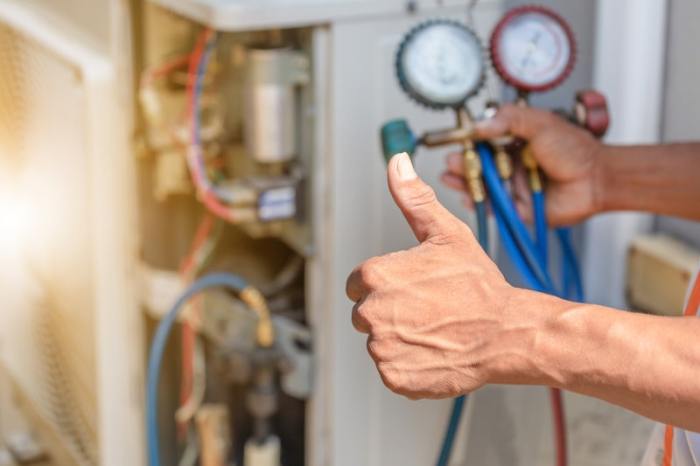
Performing DIY HVAC maintenance can help homeowners save money and ensure their system operates efficiently. However, it is crucial to follow safety measures and guidelines to prevent accidents and damage to the unit. Here are some easy DIY maintenance tips along with a step-by-step guide for simple tasks like changing filters.
Changing Air Filters
Regularly changing air filters is essential for maintaining good indoor air quality and ensuring the HVAC system functions properly. Follow these steps to change your air filters:
- Turn off the HVAC system to prevent any accidents.
- Locate the air filter panel, usually found near the return air duct.
- Remove the old filter and make sure to note the direction of airflow indicated on the filter.
- Insert the new filter in the correct orientation, ensuring it fits securely in place.
- Turn the HVAC system back on and monitor for any unusual sounds or issues.
Cleaning Vents and Ducts
Keeping vents and ducts clean is crucial for maintaining proper airflow and preventing dust and debris buildup. Here's how you can clean your vents and ducts:
- Use a vacuum cleaner with a brush attachment to remove dust and debris from vents.
- Inspect ductwork for any signs of damage or leaks and seal them with duct tape if necessary.
- Consider hiring a professional duct cleaning service for a more thorough cleaning every few years.
Checking Thermostat Settings
Ensuring your thermostat is set correctly can help optimize energy efficiency and keep your home comfortable. Follow these steps to check your thermostat settings:
- Verify that the thermostat is set to the desired temperature and mode (cooling or heating).
- Consider investing in a programmable thermostat to schedule temperature adjustments based on your daily routine.
- Change the batteries in your thermostat regularly to prevent malfunctions.
Professional HVAC Maintenance Services
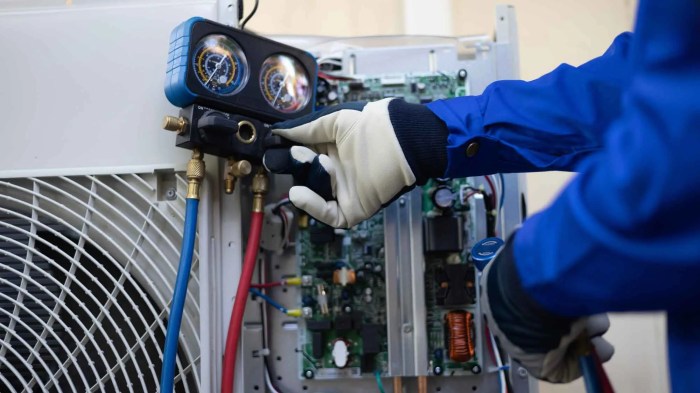
When it comes to HVAC maintenance, hiring professionals can offer a range of benefits compared to attempting a DIY approach. Let's explore the advantages of choosing professional HVAC maintenance services.
Benefits of Hiring Professionals
Professional HVAC technicians bring a wealth of expertise and specialized equipment to ensure your system is properly maintained. Here are some key benefits:
- Knowledge and Experience: HVAC professionals have the training and experience to identify and address issues that may go unnoticed by untrained individuals.
- Efficiency: Professionals can efficiently perform maintenance tasks, saving you time and ensuring the job is done correctly.
- Preventative Maintenance: Professionals can detect potential problems early on, helping to prevent costly repairs down the line.
- Safety: HVAC systems can be complex and working on them without the proper knowledge can be dangerous. Professionals have the necessary safety training to handle maintenance tasks safely.
Choosing a Reliable HVAC Maintenance Service Provider
When selecting an HVAC maintenance service provider, consider the following tips to ensure you choose a reliable and trustworthy company:
- Check Credentials: Look for technicians who are licensed, bonded, and insured to protect yourself and your property.
- Ask for References: Request references from past clients to get an idea of the quality of service provided by the company.
- Get a Written Estimate: Before agreeing to any services, make sure to get a detailed, written estimate outlining the scope of work and associated costs.
- Service Agreements: Inquire about service agreements or maintenance plans that can provide ongoing care for your HVAC system.
Seasonal HVAC Maintenance
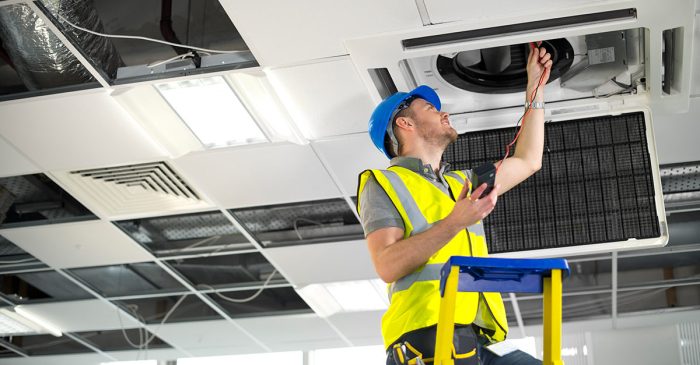
Seasonal HVAC maintenance is crucial for ensuring optimal performance and efficiency throughout the year. By addressing specific tasks before each season, you can prolong the lifespan of your HVAC system and prevent costly repairs down the line.
Spring Maintenance
In preparation for the warmer months, here are some key tasks to include in your spring HVAC maintenance checklist:
- Clean or replace air filters to improve air quality and efficiency.
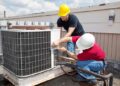
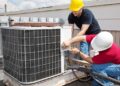
- Inspect outdoor unit for debris and clear any obstructions to ensure proper airflow.
- Check refrigerant levels and inspect for leaks to prevent system breakdowns.
Summer Maintenance
As temperatures rise, it's important to continue maintaining your HVAC system. Here are some tasks to focus on during the summer:
- Clean evaporator and condenser coils to enhance cooling efficiency.
- Inspect ductwork for leaks and seal any gaps to improve airflow and energy efficiency.
- Test thermostat settings and calibrate if necessary for accurate temperature control.
Fall Maintenance
Preparing for the cooler months ahead, fall HVAC maintenance is essential for a smooth transition. Consider these tasks for fall maintenance:
- Inspect and clean heating components, such as burners and heat exchangers, for optimal performance.
- Check vents and registers for obstructions to ensure proper airflow and heat distribution.
- Test carbon monoxide detectors to ensure they are functioning correctly for safety.
Winter Maintenance
During the winter season, it's important to focus on tasks that will keep your HVAC system running efficiently. Here are some key maintenance tasks for winter:
- Replace air filters regularly to prevent strain on the system and maintain indoor air quality.
- Inspect insulation around pipes to prevent freezing and potential water damage.
- Schedule a professional tune-up to address any issues before the peak heating season.
Wrap-Up
In conclusion, prioritizing HVAC maintenance not only enhances the performance of your system but also contributes to a healthier indoor environment. By following a comprehensive maintenance checklist and considering professional services when needed, you can enjoy a well-functioning HVAC system year-round.
FAQ Compilation
How often should HVAC filters be changed?
It's recommended to change filters every 1-3 months, depending on usage and filter type.
What are the benefits of hiring professional HVAC maintenance services?
Professionals bring expertise, advanced equipment, and can identify issues early to prevent major breakdowns.
What are some DIY HVAC maintenance tips for homeowners?
Simple tasks like cleaning vents, checking thermostat settings, and clearing debris from outdoor units can be done by homeowners.