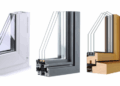
Step into the realm of exterior siding where homes transform with a touch of style and functionality. From classic wood to modern vinyl, the choices are endless. Let's dive into the diverse landscape of exterior siding options and discover what makes each type unique.
Introduction to Exterior Siding
Exterior siding plays a crucial role in protecting a building from the elements while enhancing its aesthetic appeal. It serves as a protective barrier against moisture, wind, and other environmental factors.
Types of Materials Used for Exterior Siding
There are various materials used for exterior siding, each with its own unique characteristics and benefits:
- Vinyl: Known for its durability, low maintenance, and affordability.
- Wood: Offers a traditional and natural look, but requires more maintenance to prevent rot and decay.
- Fiber Cement: Resistant to fire, moisture, and insects, making it a durable option.
- Brick: Provides a classic and timeless appearance, with excellent durability and low maintenance.
- Stucco: Offers a textured and customizable finish, but may require more frequent maintenance.
Importance of Choosing the Right Siding for a Particular Climate
It is essential to consider the climate of the region when selecting exterior siding for a building. Different materials have varying levels of resistance to specific weather conditions:
- In regions with high humidity, materials like vinyl or fiber cement are ideal due to their resistance to moisture.
- In areas with extreme temperatures, such as hot summers or cold winters, materials like brick or stucco can provide better insulation and protection.
- Coastal regions may require siding materials that are resistant to saltwater corrosion, like fiber cement or vinyl.
Types of Exterior Siding
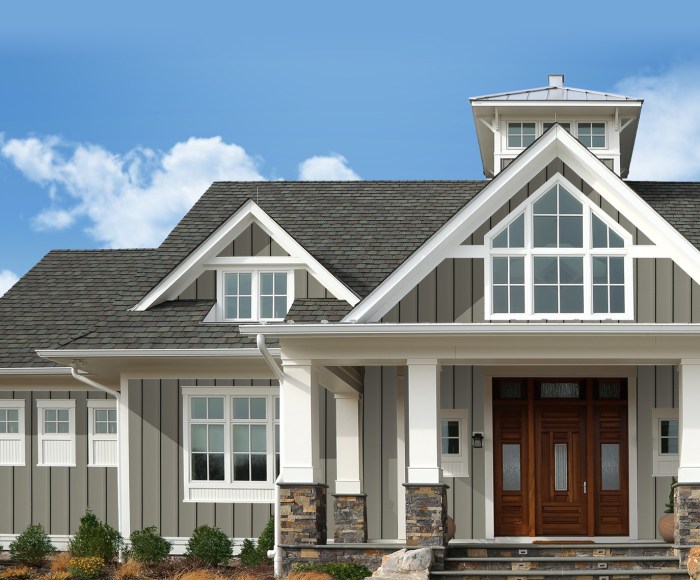
Vinyl, wood, fiber cement, and brick are some of the common types of exterior siding used in construction. Each type has its own unique characteristics in terms of durability and maintenance requirements.
Vinyl Siding
Vinyl siding is a popular choice due to its affordability and low maintenance requirements. It is durable, resistant to rot and insects, and comes in a variety of colors and styles. Many residential buildings opt for vinyl siding for its cost-effectiveness and ease of installation.
Wood Siding
Wood siding gives a natural and classic look to buildings but requires more maintenance compared to other types. Regular painting or staining is necessary to protect the wood from weather elements. While wood siding is susceptible to rot and pests, proper maintenance can extend its lifespan and preserve its aesthetic appeal.
Fiber Cement Siding
Fiber cement siding is a versatile option that mimics the look of wood or masonry but with lower maintenance needs. It is resistant to rot, fire, and insects, making it a durable choice for many homeowners. Fiber cement siding is available in different textures and colors, offering a wide range of design possibilities for both residential and commercial buildings.
Brick Siding
Brick siding is known for its timeless appeal and exceptional durability. While it requires minimal maintenance and can last for decades, brick siding tends to be more expensive than other options. Many historic buildings and upscale homes feature brick siding for its classic elegance and long-lasting performance.
Installation Process
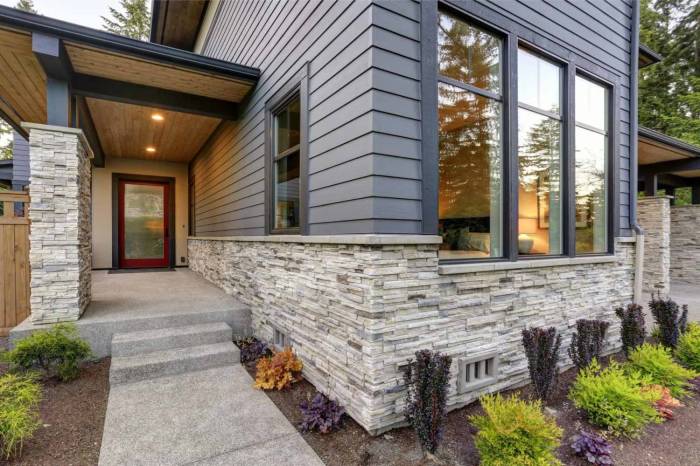
When it comes to installing exterior siding, there are several important steps to follow to ensure a successful and long-lasting result. Proper installation is crucial for the durability and effectiveness of the siding, as well as for maintaining the overall integrity of the building structure.
General Steps in Installing Exterior Siding
- Prepare the surface by cleaning and repairing any damage.
- Install the necessary insulation and moisture barriers to protect against water damage and improve energy efficiency.
- Measure and cut the siding panels to fit the specific dimensions of the exterior walls.
- Secure the siding panels to the walls using the appropriate fasteners and techniques.
- Finish the installation by sealing joints and corners to prevent water infiltration.
Importance of Proper Insulation and Moisture Barriers
Proper insulation and moisture barriers are essential components of siding installation. Insulation helps regulate the temperature inside the building, improving energy efficiency and reducing heating and cooling costs. Moisture barriers protect against water infiltration, preventing damage to the structure and potential mold growth.
Specific Tools and Techniques for Siding Installation
- Tools: Common tools for siding installation include a hammer, nails or screws, a level, a tape measure, a circular saw, and a utility knife.
- Techniques: It is important to follow manufacturer guidelines and recommendations for installing specific types of siding. Properly sealing joints and corners, as well as ensuring adequate ventilation behind the siding, are key techniques to ensure a successful installation.
Maintenance and Care
Proper maintenance and care are essential to prolong the lifespan and maintain the appearance of exterior siding. Different types of siding require specific maintenance practices to ensure their longevity and visual appeal.
Cleaning and Preservation Tips
Regular cleaning is crucial to prevent dirt and grime buildup on exterior siding. Here are some tips to clean and preserve the appearance of siding:
- For vinyl siding, use a mixture of water and mild soap to scrub the surface gently. Avoid using harsh chemicals that can damage the material.
- Wood siding should be cleaned with a solution of water and bleach to remove mold and mildew. Rinse thoroughly after cleaning to prevent discoloration.
- Fiber cement siding can be cleaned with a mixture of water and vinegar to remove dirt and debris. Avoid using high-pressure washers that can cause damage.
Common Issues and Solutions
Despite proper maintenance, exterior siding may encounter common issues that need attention. Here are some common problems and how to address them:
- Rotting or decay:Wood siding is prone to rot and decay due to moisture exposure. Replace damaged sections and ensure proper sealing to prevent further deterioration.
- Cracking or warping:Vinyl siding may crack or warp over time. Replace damaged panels and consider professional repairs to maintain the integrity of the siding.
- Mold and mildew:Moisture buildup can lead to mold and mildew growth on siding. Clean affected areas with a mold remover and improve ventilation to prevent future growth.
Cost Considerations
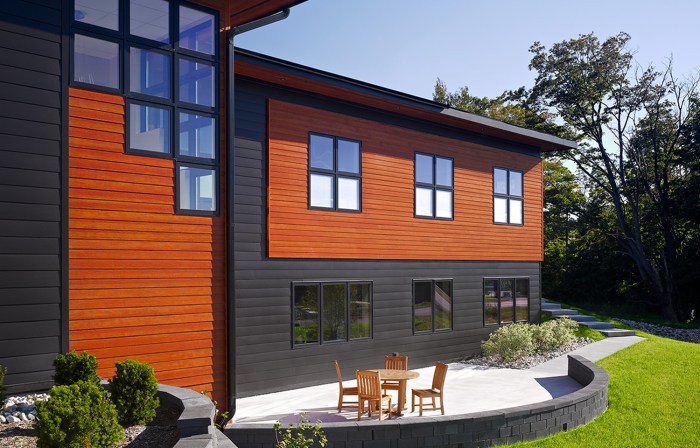
When it comes to exterior siding, cost considerations play a crucial role in the decision-making process. Understanding the factors that influence the overall cost of selecting and installing siding materials is essential for effective budgeting and long-term savings.
Breakdown of Cost Factors
- Material Costs: Different siding materials vary in price, with options such as vinyl, wood, fiber cement, and metal each having their own cost range.
- Installation Costs: Labor costs, complexity of installation, and additional services such as insulation or trim work can impact the overall installation expenses.
- Maintenance Costs: Consider the long-term maintenance requirements of each siding material, as some may require more frequent upkeep than others, affecting costs over time.
- Energy Efficiency: Energy-efficient siding options may have a higher initial cost but can lead to savings on heating and cooling bills in the long run.
Comparison of Initial Costs and Long-term Savings
- Initial Costs: Vinyl siding is often the most budget-friendly option, while materials like fiber cement and wood may have higher upfront costs.
- Long-term Savings: Despite higher initial costs, durable materials like fiber cement and metal siding can offer long-term savings through lower maintenance and energy efficiency.
- Return on Investment: Consider the resale value of your property with different siding materials, as higher-quality materials can increase the overall value and appeal of your home.
Effective Budgeting Strategies
- Research and Compare: Obtain quotes from multiple contractors and suppliers to compare pricing and quality of materials before making a decision.
- Plan for Contingencies: Set aside a buffer in your budget for unexpected expenses that may arise during the installation process.
- Prioritize Quality: Investing in high-quality materials and professional installation can lead to cost savings in the long run by reducing maintenance and repair costs.
Conclusive Thoughts
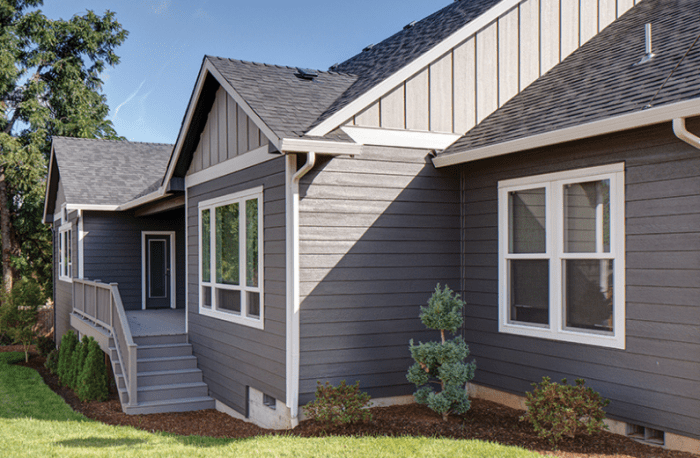
As we bid adieu to our exploration of exterior siding, remember that the right choice can not only enhance the look of your home but also protect it from the elements. Choose wisely and let your home shine with the perfect siding selection.
FAQ Guide
What are the key factors to consider when choosing exterior siding?
Consider the climate, durability, maintenance requirements, and aesthetics of the siding material.
How often should exterior siding be cleaned?
It is recommended to clean exterior siding at least once a year to prevent dirt and grime buildup.
Can exterior siding be painted?
Yes, many types of siding can be painted to change or refresh the appearance of your home.
What is the average lifespan of different types of exterior siding?
The lifespan varies by material, with vinyl lasting around 20-40 years, wood around 20-30 years, and fiber cement up to 50 years.