Delving into rental property, this guide provides an in-depth look at the various aspects of renting properties. From different types to investment strategies and management tips, this article covers it all in a detailed yet engaging manner.
Whether you're a seasoned investor or a first-time landlord, this guide aims to equip you with the knowledge needed to navigate the world of rental properties successfully.
Types of Rental Properties
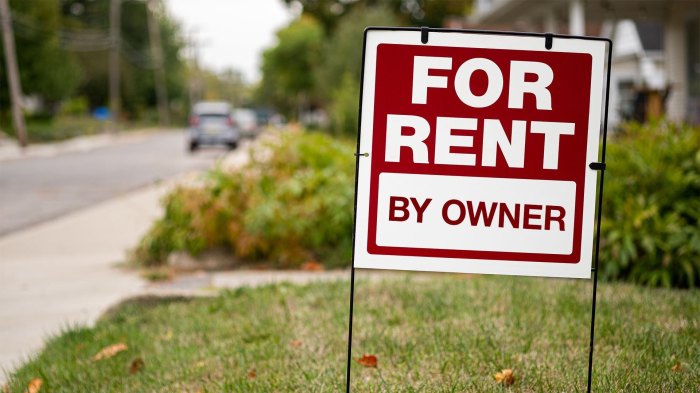
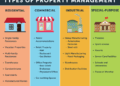
When it comes to rental properties, there are several types available to investors and tenants. Each type comes with its own set of pros and cons, influencing factors like rental income potential, maintenance costs, and tenant turnover rates.
Apartments
Apartments are multi-unit buildings where each unit is rented out to individual tenants.
- Pros:Amenities, shared maintenance costs, typically easier to rent out due to high demand.
- Cons:Limited control over common areas, potential for noise disturbances, smaller living spaces.
Single-Family Homes
Single-family homes are standalone properties rented out to a single tenant or family.
- Pros:Privacy, control over property, potentially higher rental income due to larger space.
- Cons:Higher maintenance costs, longer vacancy periods, fewer amenities compared to apartments.
Condos
Condos are individual units within a larger complex that are individually owned and rented out.
- Pros:Amenities, shared maintenance costs, potentially lower maintenance responsibilities compared to single-family homes.
- Cons:Homeowners association rules, potential for special assessments, limited control over common areas.
Comparison of Rental Income Potential
When it comes to rental income potential, apartments tend to offer a more consistent stream of income due to multiple units, while single-family homes and condos may offer higher rental rates but with potential for longer vacancy periods. The location, condition, and amenities of the property also play a significant role in determining rental income potential.
Rental Property Investment
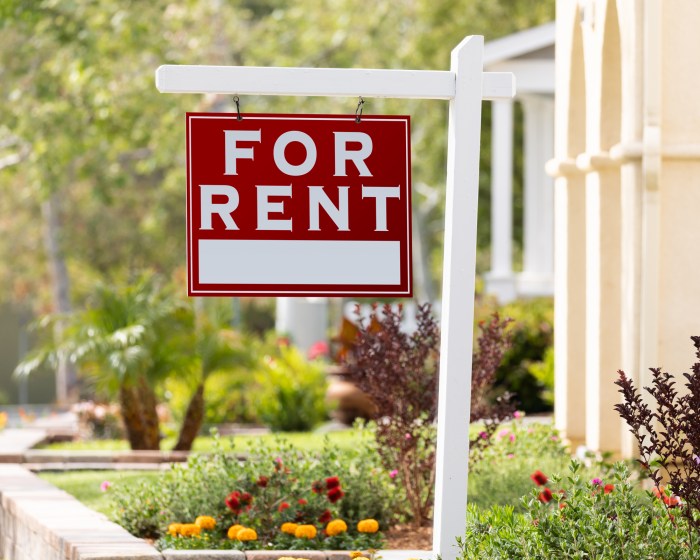
Investing in rental properties can be a lucrative venture if done correctly. However, it's essential to evaluate the property thoroughly, consider various factors, and implement strategies to maximize return on investment.
Evaluating a Rental Property
- Assess the location: Look for properties in high-demand areas with low vacancy rates and potential for rental price appreciation.
- Calculate potential rental income: Analyze rental rates in the area and estimate the monthly income the property can generate.
- Consider expenses: Factor in maintenance costs, property taxes, insurance, and any other expenses to determine the profitability of the investment.
- Inspect the property: Have a professional inspection done to identify any potential issues or repairs that may impact the value of the property.
Factors to Consider When Buying a Rental Property
- Market trends: Research the local real estate market to understand trends in property values, rental rates, and demand.
- Financing options: Explore different financing options to determine the best way to fund the purchase of the rental property.
- Tenant demographics: Consider the target tenant demographic for the property and tailor the investment accordingly.
- Property management: Decide whether to manage the property yourself or hire a professional property management company.
Strategies for Maximizing Rental Property ROI
- Regular maintenance: Keep the property well-maintained to attract and retain quality tenants and preserve the property's value.
- Optimize rental rates: Continuously assess market rates and adjust rental prices accordingly to maximize income.
- Screen tenants carefully: Conduct thorough background checks on potential tenants to minimize the risk of late payments or property damage.
- Invest in improvements: Consider making upgrades or renovations to increase the property's value and attract higher-paying tenants.
Rental Property Management
Managing rental properties involves various responsibilities to ensure the smooth operation of the rental business and the satisfaction of both landlords and tenants
Responsibilities of a Rental Property Manager
- Advertising rental properties to attract potential tenants.
- Screening and selecting qualified tenants to minimize risks.
- Collecting rent and handling maintenance requests promptly.
- Regular property inspections to ensure compliance with lease agreements.
- Resolving tenant issues and disputes effectively.
- Keeping detailed financial records and managing budgets.
Importance of Tenant Screening in Rental Property Management
Tenant screening is crucial in rental property management to find reliable tenants who will pay rent on time, take care of the property, and abide by the lease agreement. By conducting background checks, credit checks, and references, property managers can reduce the risk of potential problems such as late payments, property damage, or lease violations.
Common Challenges Faced by Rental Property Managers and How to Overcome Them
- High tenant turnover: Implementing lease renewal incentives and maintaining good communication with tenants can help reduce turnover rates.
- Maintenance issues: Regular property inspections and proactive maintenance scheduling can prevent major repair costs and ensure tenant satisfaction.
- Late payments: Enforcing strict rent collection policies and offering convenient payment options can help minimize late payments.
- Legal compliance: Staying updated on rental laws and regulations, and seeking legal advice when needed, can ensure compliance and prevent legal issues.
Rental Property Maintenance
Maintaining a rental property is crucial for the longevity and value of the investment. Regular upkeep and timely repairs can help prevent major issues down the line and keep tenants satisfied. Here are some essential maintenance tasks and tips for handling repairs efficiently.
Essential Maintenance Tasks
- Regular inspections of the property to identify any issues early on.
- Addressing plumbing and electrical problems promptly to avoid further damage.
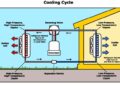
- Ensuring the HVAC system is serviced regularly to maintain efficiency.
- Checking for leaks, mold, or pest infestations to prevent health hazards.
- Maintaining the exterior of the property, including landscaping and structural integrity.
Tips for Efficient Repairs
- Establishing a reliable network of contractors and repair professionals for quick response.
- Setting up a system for tenants to report maintenance issues easily and promptly.
- Prioritizing repairs based on urgency and impact on tenant comfort and safety.
- Keeping detailed records of maintenance activities and expenses for tax and accounting purposes.
Role of Preventive Maintenance
Preventive maintenance plays a crucial role in preserving the value of rental properties by avoiding costly repairs and extending the lifespan of key systems and components. By conducting regular inspections, servicing equipment proactively, and addressing minor issues before they escalate, landlords can save time and money in the long run.
Last Point
In conclusion, rental properties offer a unique investment opportunity with both challenges and rewards. By understanding the nuances of property types, investment strategies, management responsibilities, and maintenance tasks, you can make informed decisions to maximize your returns in the rental market.
Popular Questions
What are the different types of rental properties available?
There are various types such as apartments, single-family homes, and condos, each with its own set of pros and cons.
How can I evaluate a rental property for investment purposes?
Consider factors like location, market trends, potential rental income, and overall condition of the property.
What are the responsibilities of a rental property manager?
A property manager handles tasks like tenant screening, rent collection, property maintenance, and resolving tenant issues.
What are some common challenges faced by rental property managers?
Challenges include dealing with difficult tenants, ensuring property maintenance, and navigating legal regulations.
How important is preventive maintenance in preserving the value of rental properties?
Preventive maintenance helps avoid costly repairs, extends the lifespan of property components, and enhances tenant satisfaction.