Dive into the world of hotel architecture, where every curve, line, and material choice plays a crucial role in shaping guest experiences. From the grand facades that greet visitors to the intricate layout within, hotel architecture is a blend of art, design, and functionality that sets the stage for unforgettable stays.
Let's unravel the layers of hotel architecture and discover how it influences our perception of hospitality.
Importance of Hotel Architecture
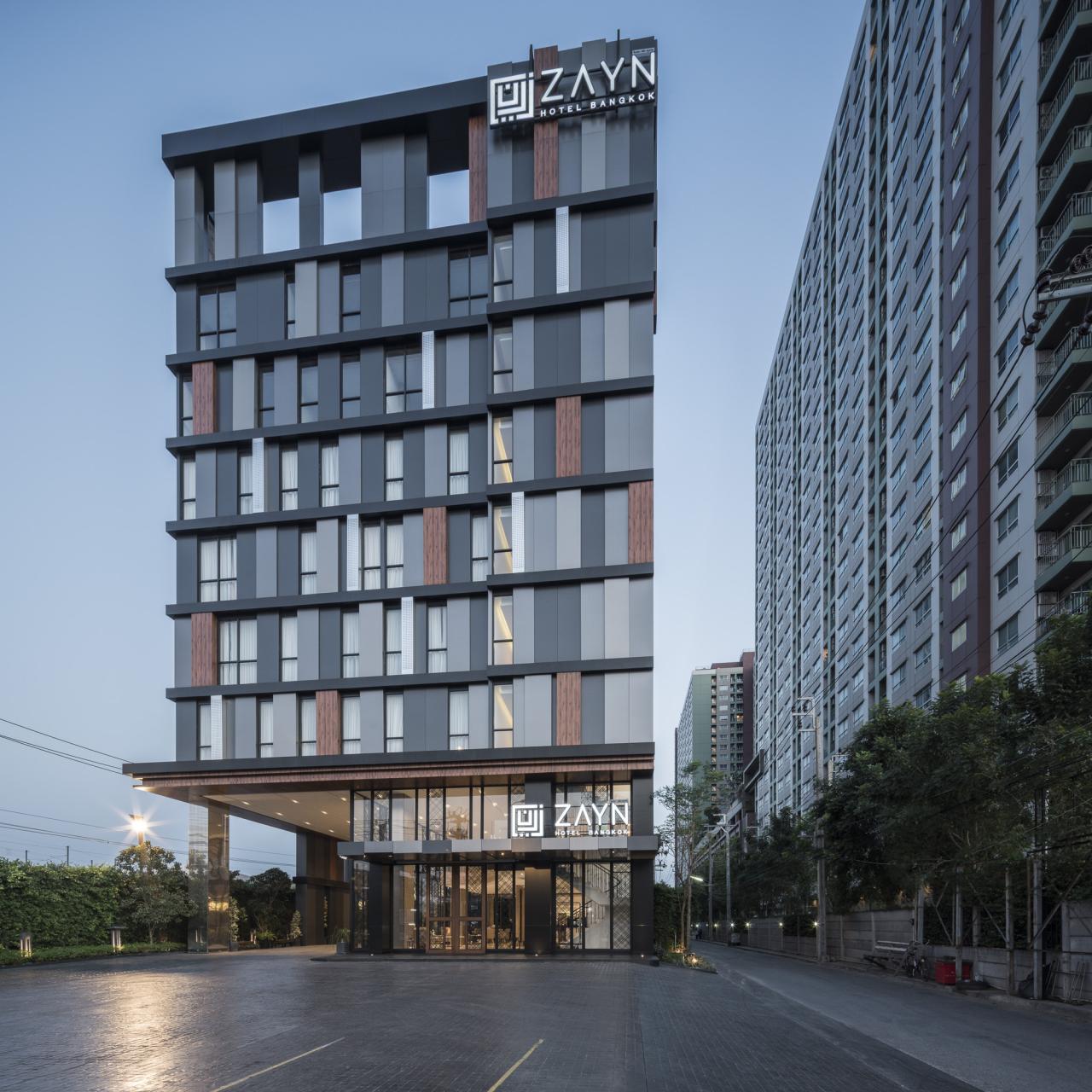
Hotel architecture plays a crucial role in shaping the overall guest experience and setting the tone for a hotel's brand image. The design and layout of a hotel can greatly impact how guests feel during their stay and how they perceive the establishment.Architectural design is not just about creating visually appealing structures; it also involves maximizing functionality and creating spaces that are conducive to relaxation, comfort, and efficiency.
A well-designed hotel can enhance the overall guest experience by providing seamless navigation, comfortable accommodations, and inviting communal areas.
Influence on Guest Experience
- Architectural elements such as natural lighting, open spaces, and thoughtful room layouts can contribute to a sense of comfort and tranquility for guests.
- Well-designed hotels can create a memorable and immersive experience for guests, leaving a lasting impression and encouraging return visits.
- Architectural features like atriums, courtyards, and unique facades can add character and charm to a hotel, making it stand out from the competition.
Impact on Brand Image
- The architectural design of a hotel can communicate its brand identity and values to guests, helping to establish a strong brand image in the minds of consumers.
- Consistent architectural elements across different locations can create a cohesive brand image and reinforce brand recognition among guests.
- Unique and innovative architectural designs can differentiate a hotel from competitors and attract a specific target audience seeking a distinct experience.
Key Elements of Hotel Architecture
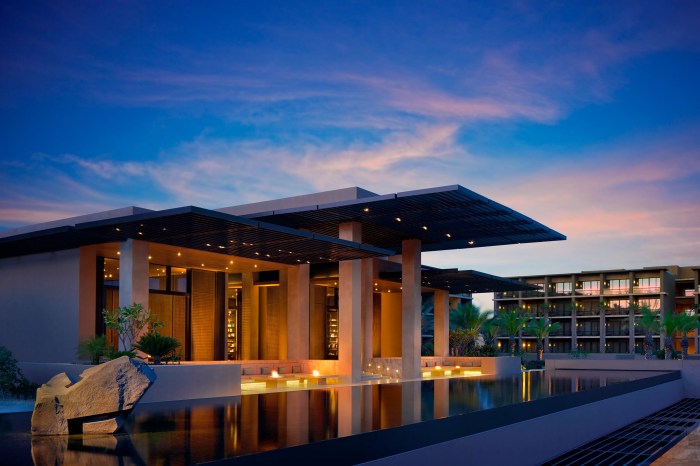
Hotel architecture encompasses various essential elements that contribute to the overall design and functionality of a hotel. These elements play a crucial role in shaping the guest experience and creating a welcoming environment. Let's explore some key aspects that define hotel architecture.
Layout and Circulation
The layout of a hotel is fundamental in determining how guests navigate through the space. An efficient layout ensures smooth circulation and easy access to amenities, such as reception areas, dining spaces, and guest rooms. The design should prioritize guest comfort and convenience, with clear wayfinding and intuitive pathways.
Natural Light and Ventilation
Natural light is a vital element in hotel architecture, as it enhances the overall ambiance and creates a sense of connection with the outdoors. Well-designed spaces with ample natural light contribute to a more inviting and relaxing atmosphere for guests.
Additionally, proper ventilation is crucial for maintaining air quality and comfort within the hotel environment.
Materials and Finishes
The choice of materials and finishes in hotel architecture can greatly impact the aesthetic appeal and functionality of the space. Durable and high-quality materials are often selected to withstand the wear and tear of high traffic areas. Additionally, the use of textures, colors, and patterns can help create a cohesive design that reflects the hotel's brand and style.
Spatial Organization
Spatial organization plays a significant role in hotel architecture, as it involves the arrangement of spaces to optimize functionality and flow. Guest rooms, public areas, and service areas are carefully planned to ensure a seamless experience for guests. The spatial layout should strike a balance between privacy and social interaction, catering to the diverse needs of guests staying at the hotel.
Historical Evolution of Hotel Architecture
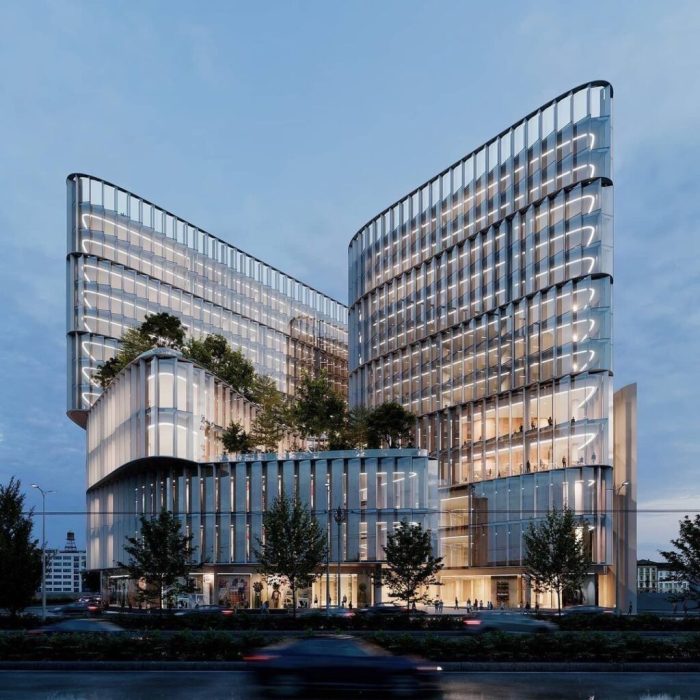
Hotel architecture has evolved significantly over the years, reflecting not only advancements in construction technology but also cultural influences and changing tastes of travelers. Let's delve into the journey of hotel architecture from traditional to modern styles.
Traditional Hotel Architecture
Traditional hotel architecture was characterized by grand facades, intricate details, and opulent interiors
Modern Hotel Architecture
In contrast, modern hotel architecture focuses on functionality, sustainability, and minimalistic design. Contemporary hotels prioritize comfort, efficiency, and environmental considerations in their architectural designs. Emphasis is placed on creating spaces that are not only visually appealing but also practical and eco-friendly.
Modern hotels often feature open floor plans, natural light, and sleek, minimalist decor to provide guests with a comfortable and welcoming environment.
Cultural Influences on Hotel Architecture
Cultural influences have played a significant role in shaping hotel architectural trends over time. The architecture of hotels in different regions around the world reflects the local culture, history, and traditions. For example, hotels in tropical locations may incorporate elements such as thatched roofs, open-air spaces, and lush landscaping to blend seamlessly with the natural surroundings.
On the other hand, hotels in urban areas may feature contemporary designs with glass facades, steel structures, and high-tech amenities to cater to modern travelers' preferences.
Comparison of Historic vs. Contemporary Hotel Designs
Historic hotels often boast ornate architectural details, elaborate furnishings, and a sense of grandeur that harkens back to a bygone era. In contrast, contemporary hotel designs focus on clean lines, simple forms, and sustainable materials to create a more streamlined and efficient space.
While historic hotels exude a sense of nostalgia and charm, contemporary designs offer a more modern and practical approach to hospitality architecture.
Sustainable Practices in Hotel Architecture
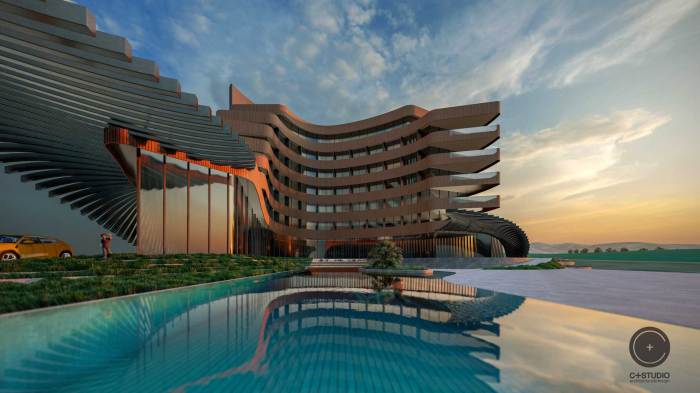
Embracing sustainability in hotel architecture is crucial for minimizing environmental impact, reducing operational costs, and enhancing overall guest experience.
Eco-Friendly Design Strategies and Materials
Implementing eco-friendly design strategies and utilizing sustainable materials are key components of creating a green hotel. Some common practices include:
- Utilizing renewable energy sources such as solar panels or geothermal heating systems.
- Designing buildings with natural ventilation and daylight to reduce the need for artificial lighting and cooling.
- Using recycled or locally sourced materials for construction to minimize carbon footprint.
- Incorporating green spaces like rooftop gardens or living walls to improve air quality and provide insulation.
Impact on Energy Efficiency and Guest Satisfaction
Sustainable architecture in hotels not only leads to a significant reduction in energy consumption but also enhances guest satisfaction through a more comfortable and environmentally conscious stay. Guests are increasingly looking for eco-friendly accommodation options, making sustainable practices a competitive advantage for hotels.
By investing in sustainable design, hotels can lower operating costs in the long run and attract environmentally conscious travelers.
Closing Summary
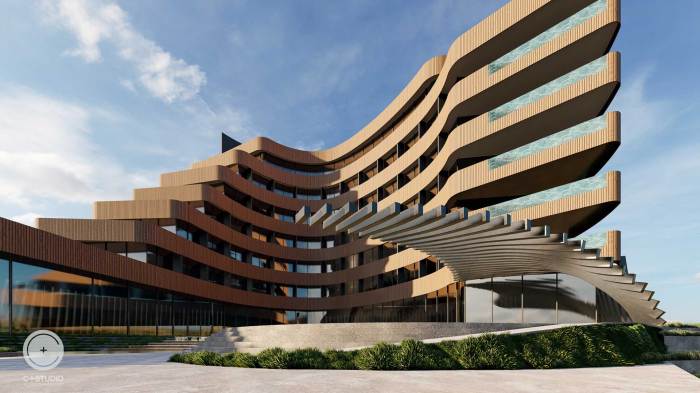
As we conclude our exploration of hotel architecture, it's evident that the design of these spaces goes beyond aesthetics. It's a reflection of a hotel's identity, values, and commitment to providing exceptional guest experiences. From historical influences to sustainable practices, every aspect of hotel architecture contributes to a memorable stay for every visitor.
Top FAQs
How does hotel architecture impact guest experience?
Hotel architecture sets the tone for a guest's stay, influencing everything from comfort levels to emotional responses.
What are some key elements that define hotel architecture?
Essential architectural elements include facades, layouts, use of natural light, and material choices that define a hotel's design.
How has hotel architecture evolved over time?
Hotel architecture has transitioned from traditional to modern styles, influenced by cultural trends and design innovations.
Why is sustainability important in hotel architecture?
Sustainability in hotel architecture ensures eco-friendly practices, energy efficiency, and a positive impact on the environment.