Embark on a journey into the realm of interior design, where creativity and functionality merge to create captivating spaces that reflect personal style and taste. From residential homes to commercial establishments, interior design plays a pivotal role in shaping environments that inspire and delight.
Delve deeper into the elements, styles, trends, process, and materials that define the world of interior design, uncovering the secrets behind creating harmonious and visually stunning spaces.
What is Interior Design?
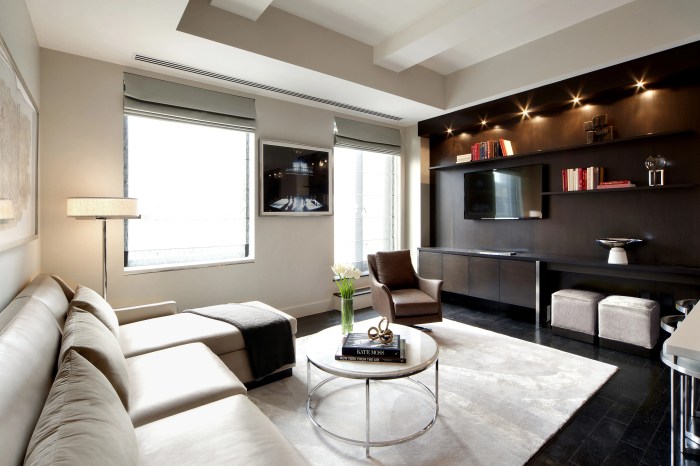
Interior design is the art and science of enhancing the interior of a space to achieve a healthier and more aesthetically pleasing environment for the people using it. It involves the arrangement of furniture, color schemes, lighting, and other elements to create a cohesive and functional space.
Importance of Interior Design in Residential Spaces
Interior design plays a crucial role in residential spaces by creating a comfortable and welcoming environment for homeowners. It helps in maximizing the functionality of each room while reflecting the personal style and preferences of the residents. Well-designed interiors can improve the overall quality of life and contribute to a sense of well-being.
- Enhances Comfort: A well-designed residential space can enhance comfort by optimizing layouts and selecting appropriate furniture and decor.
- Reflects Personal Style: Interior design allows homeowners to express their personality and taste through the choice of colors, textures, and furnishings.
- Increases Property Value: Thoughtfully designed interiors can increase the value of a residential property, making it more attractive to potential buyers.
- Promotes Well-being: A carefully curated interior can promote relaxation, reduce stress, and improve the overall mood of the inhabitants.
Role of Interior Design in Commercial Settings
In commercial settings, interior design serves a different purpose by focusing on creating spaces that are functional, efficient, and visually appealing to employees, customers, and visitors. It aims to enhance the brand image, improve productivity, and create a positive impression on clients.
- Brand Representation: Interior design in commercial spaces helps to visually represent the brand identity and values of a business.
- Employee Productivity: Well-designed workspaces can boost employee morale, productivity, and job satisfaction.
- Customer Experience: The interior design of commercial establishments can influence the customer experience, leading to increased foot traffic and sales.
- Space Utilization: Interior designers optimize the layout and use of space in commercial settings to ensure efficient operations and flow.
Elements of Interior Design
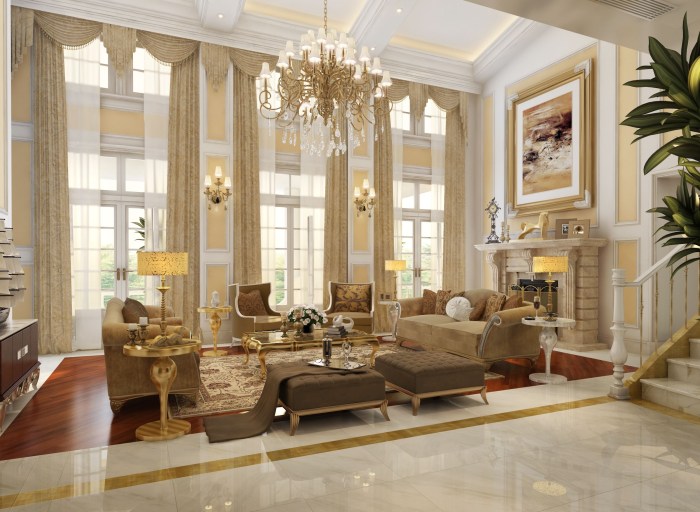
Interior design involves a combination of key elements that work together to create a cohesive and visually pleasing space. These elements include color, lighting, furniture, accessories, texture, patterns, and space planning.
Color
Color is a fundamental element in interior design as it sets the tone and mood of a space. Different colors can evoke different emotions and influence the perception of size and shape within a room. It is crucial to carefully select a color palette that complements the overall design concept.
Lighting
Lighting plays a significant role in interior design by enhancing the ambiance and functionality of a space. Proper lighting can highlight architectural features, create focal points, and establish different moods. It is essential to consider natural light, artificial light sources, and the placement of lighting fixtures.
Furniture and Accessories
Furniture and accessories are essential components that add functionality and style to a room. The selection of furniture should be based on the layout and scale of the space, while accessories such as artwork, rugs, and decor items can bring personality and character to the design.
Texture and Patterns
Texture and patterns add depth and visual interest to a room. By incorporating a variety of textures like smooth, rough, shiny, or matte, and patterns such as stripes, geometric shapes, or floral prints, a space can feel more dynamic and engaging.
Space Planning
Space planning involves organizing and arranging furniture, fixtures, and other elements within a room to optimize functionality and flow. It is essential to consider the purpose of the space, traffic patterns, and the relationship between different areas to create a harmonious and efficient layout.
Interior Design Styles
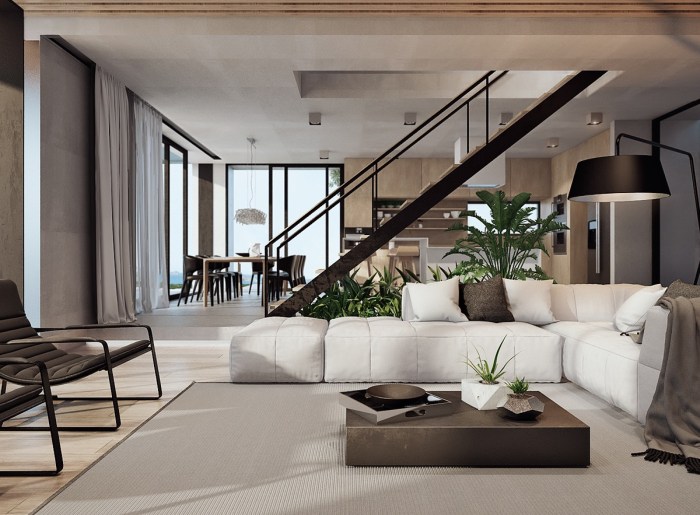
Interior design styles play a crucial role in defining the overall look and feel of a space. Different styles cater to varying preferences, aesthetics, and functionalities, allowing individuals to create unique and personalized environments.
Modern Style
The modern interior design style emphasizes clean lines, simplicity, and minimalism. It often features neutral color palettes, sleek furniture, and a focus on open spaces. Modern design prioritizes functionality and incorporates contemporary elements to create a timeless look.
Traditional Style
Traditional interior design draws inspiration from classic European decor, showcasing ornate details, rich colors, and elegant furnishings. This style exudes warmth, comfort, and sophistication, with a strong emphasis on symmetry and traditional patterns.
Minimalist Style
Minimalism embraces the concept of "less is more," with a focus on simplicity, functionality, and a clutter-free environment. Neutral colors, clean lines, and a lack of unnecessary adornments characterize this style. Minimalist design promotes a sense of calm and tranquility.
Industrial Style
Industrial interior design takes cues from urban lofts and warehouses, featuring raw materials, exposed structural elements, and a utilitarian aesthetic
Cultural Influences
- Scandinavian Design: Influenced by the Nordic region, this style focuses on simplicity, functionality, and natural elements.
- Moroccan Style: Inspired by North African culture, Moroccan design utilizes vibrant colors, intricate patterns, and ornate furnishings.
- Japanese Aesthetics: Rooted in Zen principles, Japanese design emphasizes minimalism, harmony, and the use of natural materials.
Interior Design Trends
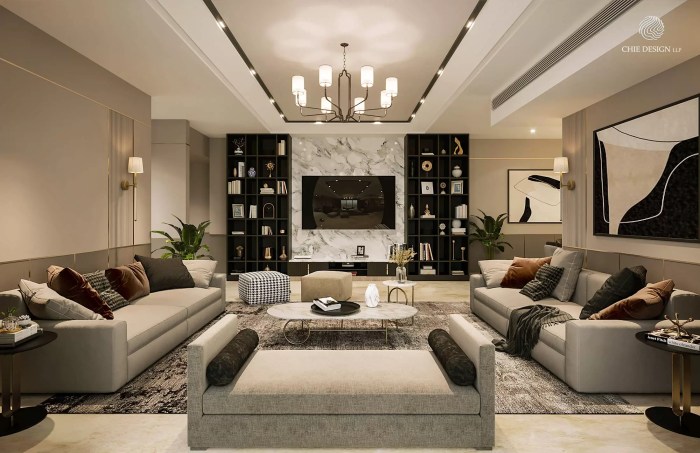
Interior design trends are constantly evolving, influenced by various factors such as cultural shifts, technological advancements, and environmental concerns. In recent years, trends like sustainability, biophilic design, and smart home technology have gained popularity, reshaping the way we approach interior design.
Sustainability in Interior Design
Sustainability has become a central focus in interior design, with designers and homeowners alike seeking eco-friendly materials and practices. This trend includes the use of recycled or upcycled materials, energy-efficient appliances, and designs that promote environmental responsibility.
Biophilic Design
Biophilic design emphasizes the connection between humans and nature within interior spaces. This trend incorporates elements like natural light, indoor plants, and organic materials to create a harmonious and calming environment. Biophilic design has been shown to improve overall well-being and productivity.
Smart Home Technology
The integration of smart home technology has revolutionized interior design, allowing for greater convenience, efficiency, and customization within living spaces. From automated lighting and temperature control to voice-activated assistants, technology is becoming an integral part of modern interior design.
Interior Design Process
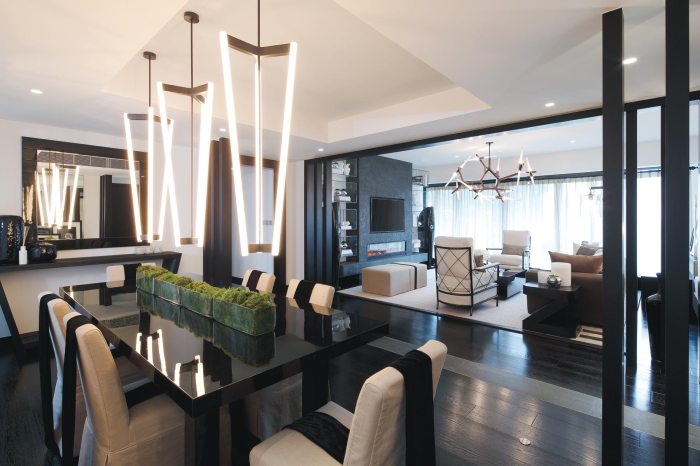
The interior design process involves several steps, from conceptualization to execution. Interior designers work closely with clients to understand their needs and preferences, ensuring that the final design reflects the client's style and requirements. Project management plays a crucial role in the success of interior design projects, coordinating various aspects to ensure a seamless and timely completion.
Client Collaboration
Interior designers collaborate with clients to gather information about their design preferences, lifestyle, budget, and functional requirements. This collaboration helps designers create a customized design plan that meets the client's expectations and needs.
Concept Development
During the concept development phase, interior designers create mood boards, sketches, and 3D renderings to visualize the design concept. This step allows clients to provide feedback and make any necessary revisions before moving forward with the project.
Space Planning
Space planning involves determining the layout of furniture, fixtures, and accessories within the space. Interior designers consider traffic flow, functionality, and aesthetic appeal when planning the layout to optimize the use of space effectively.
Material Selection
Choosing the right materials, finishes, and colors is crucial in creating the desired look and feel of the space. Interior designers work with clients to select materials that align with the design concept while meeting quality and budget requirements.
Project Management
Project management is essential for overseeing the various aspects of the interior design project, including scheduling, budgeting, procurement, and coordination with contractors and vendors. Effective project management ensures that the project stays on track and is completed within the specified timeframe and budget.
Interior Design Materials
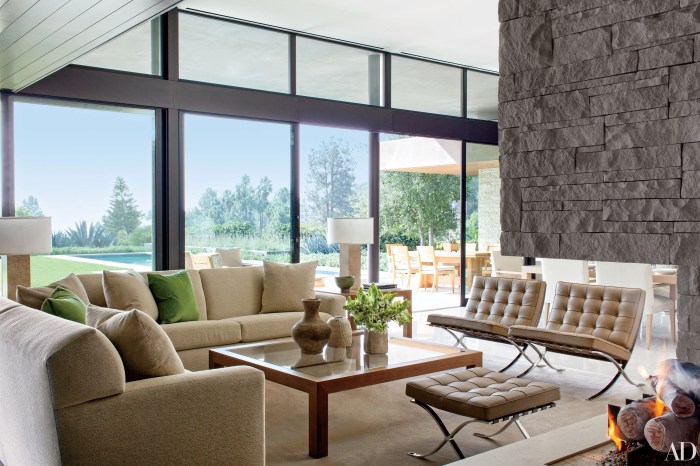
When it comes to interior design, the choice of materials plays a crucial role in shaping the overall aesthetic and functionality of a space. From wood and metal to glass and fabrics, each material brings its unique characteristics and impact on the design.
Common Materials in Interior Design
- Wood: Known for its warmth and versatility, wood is a popular choice for furniture, flooring, and decorative elements in interior design.
- Metal: Often used for fixtures, hardware, and accents, metal adds a modern and industrial touch to a space.
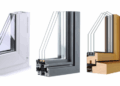
- Glass: Glass is commonly used for windows, doors, and partitions to bring in natural light and create a sense of openness.
- Fabrics: From curtains and upholstery to rugs and throw pillows, fabrics add texture, color, and comfort to a room.
Impact of Materials on Design Aesthetic
The choice of materials can significantly influence the overall look and feel of a space. For example, using wood and warm tones can create a cozy and inviting atmosphere, while metal and glass can give a more sleek and contemporary vibe.
Sustainable and Eco-Friendly Options
With a growing emphasis on sustainability, interior designers are increasingly turning to eco-friendly materials like bamboo, reclaimed wood, recycled glass, and organic fabrics. These materials not only reduce the environmental impact but also add a unique and natural element to the design.
Closing Summary
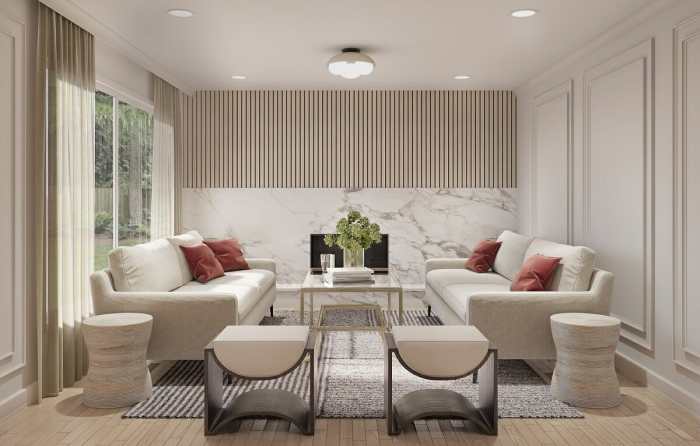
In a nutshell, interior design is a multifaceted field that blends artistry, functionality, and innovation to transform spaces into works of art. By understanding the key elements, styles, and trends, one can navigate the world of interior design with confidence and creativity, bringing visions to life one room at a time.
Questions and Answers
What is the role of interior design in commercial settings?
Interior design in commercial settings focuses on creating functional and aesthetically pleasing spaces that cater to the needs of employees and customers, ultimately enhancing productivity and customer experience.
How do cultural influences impact interior design styles?
Cultural influences play a significant role in shaping interior design styles, as they dictate color palettes, patterns, and overall design aesthetics that reflect the traditions and values of different societies.
What are some current interior design trends?
Current trends in interior design include sustainability practices, biophilic design that incorporates nature elements, and the integration of smart home technology for convenience and efficiency.